
Author
Lucy Vale
Editorial pen name, ApplyBtn
Lucy Vale is the editorial pen name used for ApplyBtn's practical job-application guides. She explains job applications in clear, straightforward English, using reliable sources and insights from ApplyBtn's experience with real application workflows.
Lucy Vale is an editorial pen name used by ApplyBtn, not an independent individual. Guides published under this name are written and edited by the ApplyBtn team, and any ApplyBtn-specific findings inside them are labelled as such. The profile image is an AI-generated editorial avatar, not a photo of a real person.
Writes about
- How to write, tailor, start, and end cover letters
- Cover letter length, format, templates, and examples
- Answering common job-application questions
- General, practical job-application guidance
Latest articles by Lucy Vale
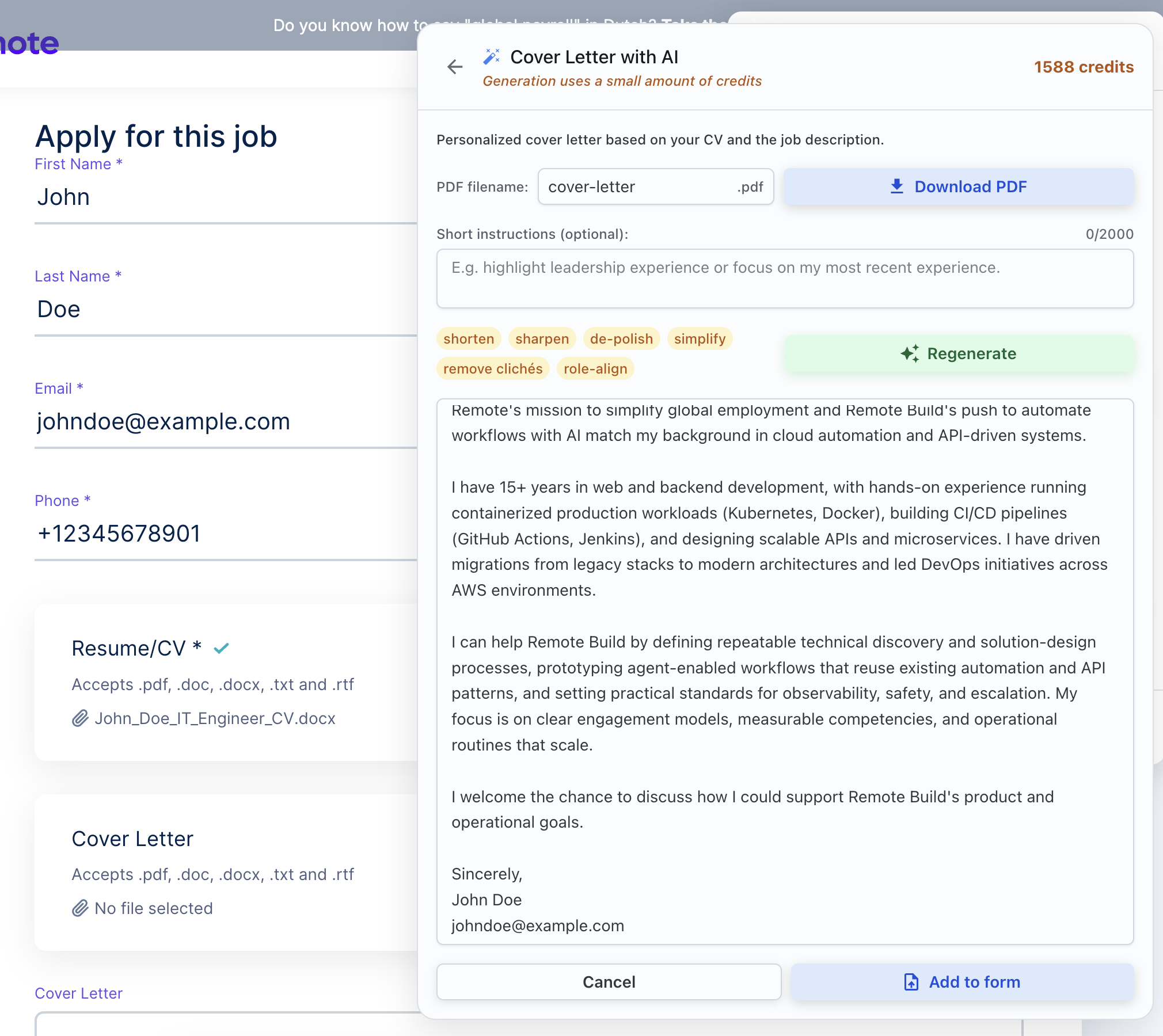
AI cover letter template and examples - one honest skeleton, and the 20% no template can fill
Looking for an AI cover letter template? Here's the uncomfortable truth first: the template is exactly what recruiters pattern-match against. Then the useful part - the one skeleton that's safe to reuse, a raw AI-written cover letter next to its edited version, and the edit checklist between them.
Read more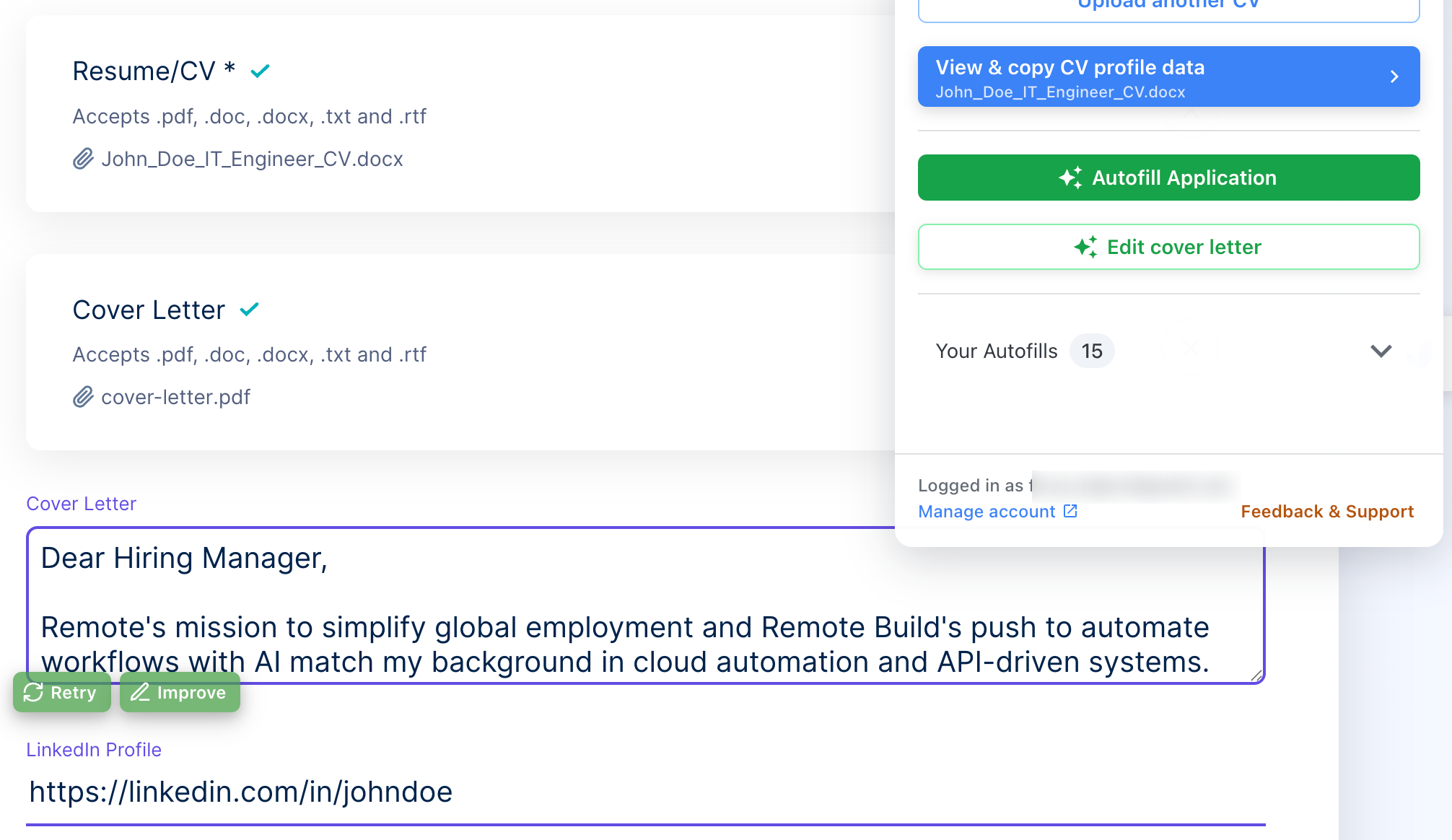
Cover letter format - what still matters now that the letter left the letterhead
Classic cover letter format guides still teach 1950s business-letter anatomy - addresses, date, inside address - for letters that mostly get pasted into a plain-text box. Here's the format hiring managers actually check, the paste-box rules, and the letterhead you can finally drop.
Read moreHow long should a cover letter be - the ceiling everyone mistakes for a target
How long should a cover letter be? Three to five short paragraphs, 250-400 words, half to a full page - and one page is the ceiling, not the goal. Where those numbers come from, the two fields that break the rule in opposite directions, and why length is a bet that can only lose.
Read more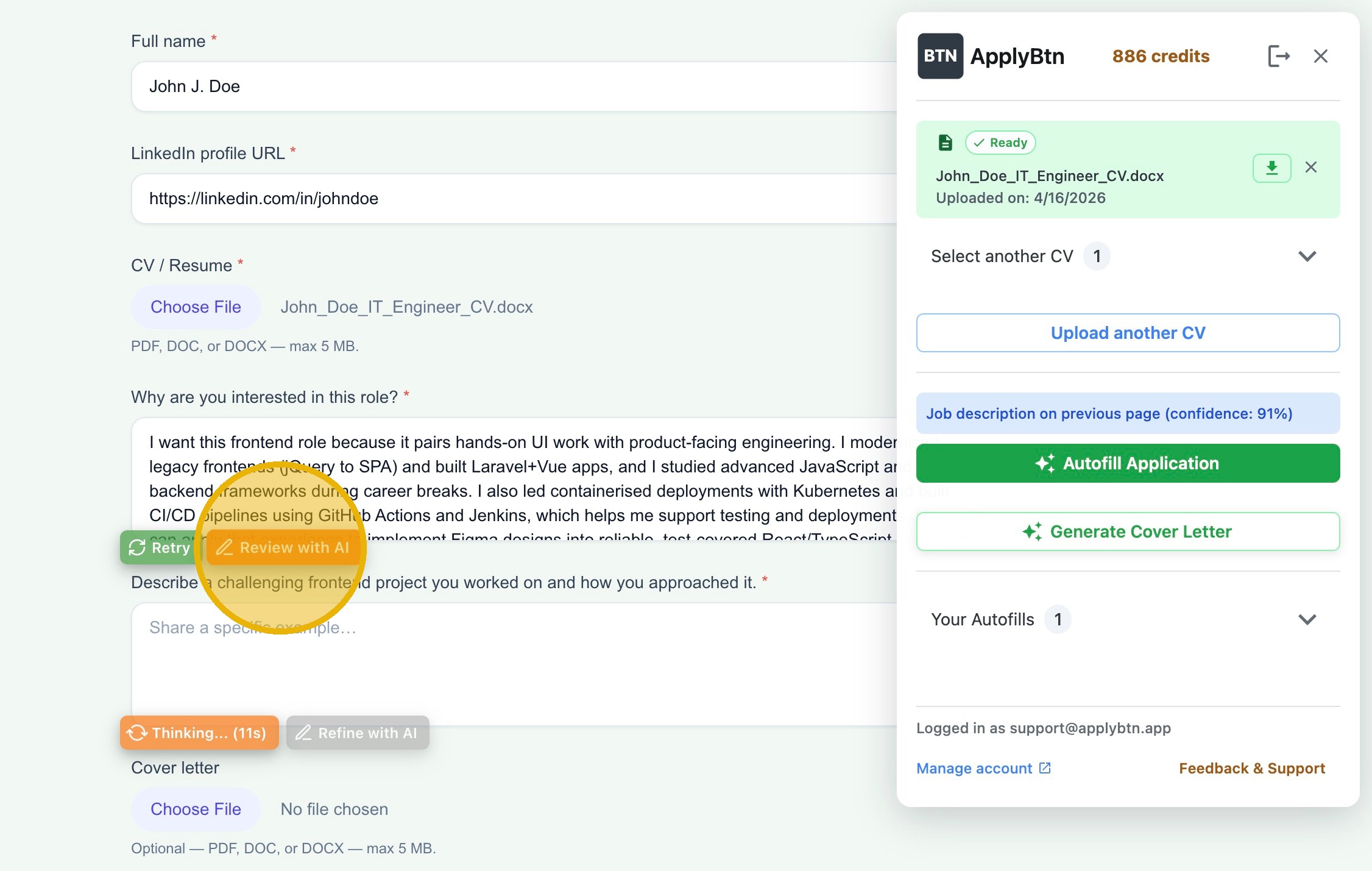
How to automate job applications with AI (without the spray-and-pray)
Automating job applications splits into a part that's genuinely worth handing to AI and a part that quietly wrecks your results. Here's how to tell them apart - and automate the job application process without turning yourself into spam.
Read moreHow to end a cover letter - the one closing that backfires, and the formula that's fine
Nobody ever got hired because of a closing paragraph. How to end a cover letter is mostly about not spoiling a good letter: one line on why you fit, a simple thank-you, a normal sign-off - and one old-fashioned move to never use.
Read moreHow to start a cover letter - why the boring opener beats the clever one
Advice on how to start a cover letter pushes hooks, anecdotes, and bold first lines. The hiring managers who actually read letters endorse something else: a plain opener followed by one specific only you could write. Here's what survives the skim - and the openers that sink letters.
Read moreHow to tailor a cover letter for each job - the 15-minute method that beats a full rewrite
How to tailor a cover letter to the job description without rewriting it every time: how to decide which applications even deserve a letter, the two or three requirements worth proving, and a swap test that tells you whether it's actually tailored.
Read moreHow to use AI to write a cover letter - without sending the letter everyone else sent that day
Using AI to write a cover letter is normal now - and most people do it in a way recruiters spot in one line. The workflow that survives: feed it your real material, hand it the two things it can't know, and edit until the letter couldn't go to any other company.
Read moreHow to write a cover letter - what it's actually for, and the four paragraphs that do the job
Most advice on how to write a cover letter skips the truth that changes everything: it's read second, after your resume, usually to answer a question your resume raised. Here's what a letter is actually for, the four-paragraph structure practitioners endorse, and the classic rules you can safely ignore.
Read more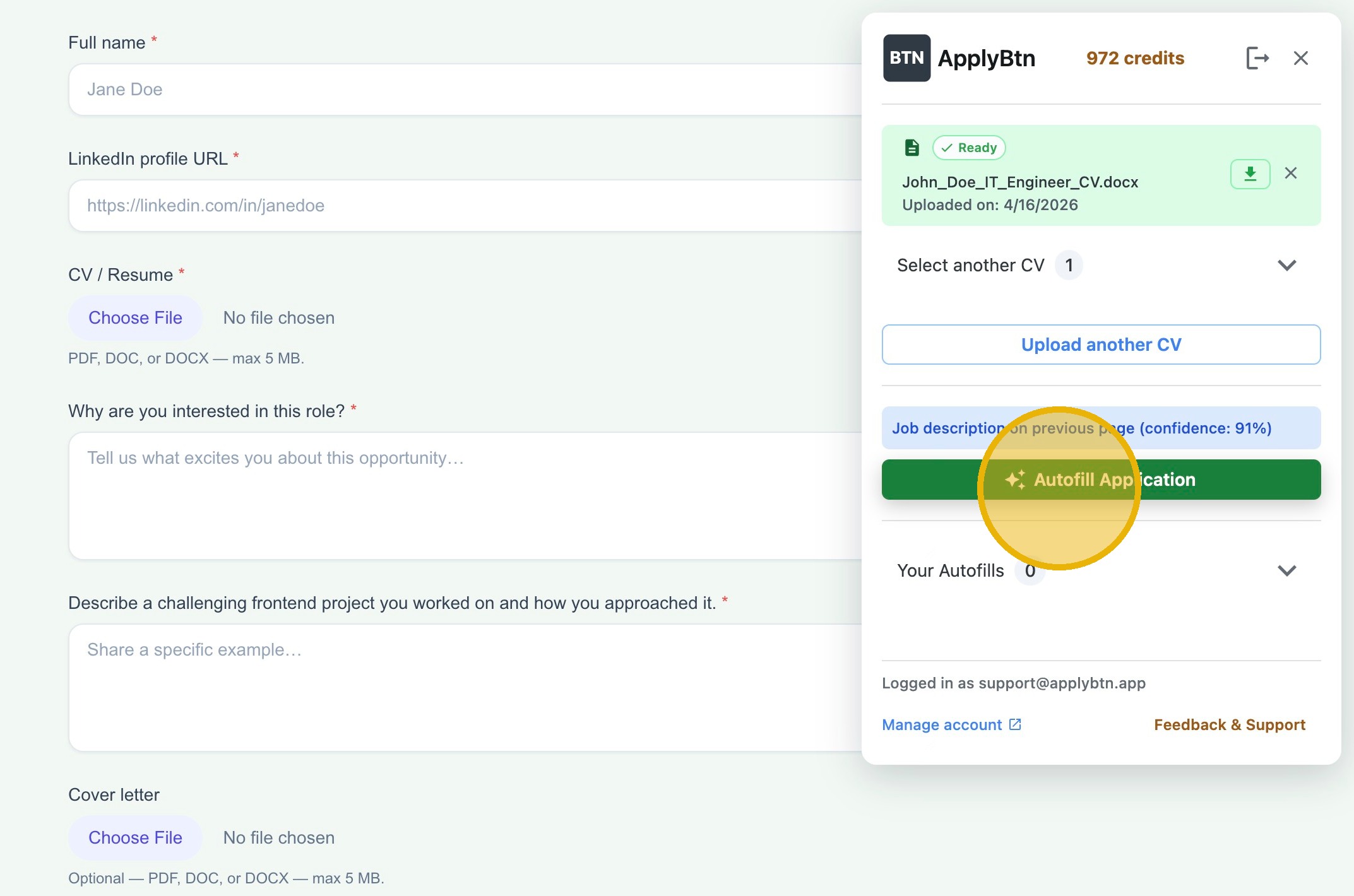
Job application form fields explained - what "headline", "phone extension" and other confusing labels mean
Some job-application fields stop you cold - a box labelled just "Headline" or "Phone extension" with no explanation. Here's what each confusing field actually means, and exactly what to type in it.
Read more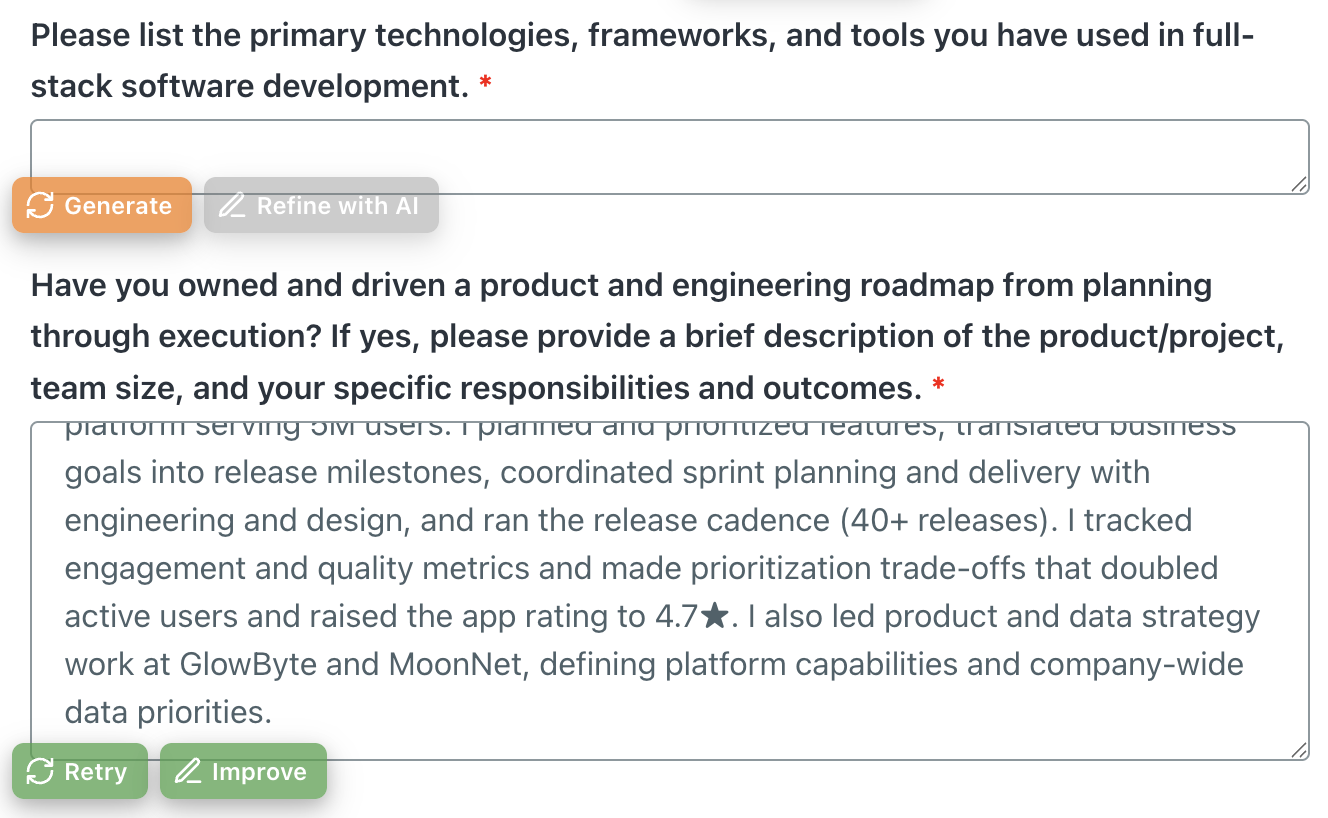
Your reason for applying - how to answer "Why do you want to work here?" honestly
The honest reason for applying is usually money - and the people asking usually know it. Here's what "Why are you applying?" is really testing, and how to answer it truthfully without sounding like a flight risk or reciting the mission statement.
Read moreCover letter examples by role - what changes across 11 jobs, and when they get read
Cover letter examples for 11 roles - management, government, sales, admin, healthcare and more - grounded in what real hiring managers say: what changes by job, and the honest truth about when a cover letter even gets read.
Read more